
Published on November 19, 2024
Contrarian Investing: The Courage to Be Contrarian
Contrarian investing is easier said than done. People like the comfort of being in a crowd and hearing opinions that affirm their prior beliefs, while contrarian investing requires going against consensus and sticking out. However, going against the crowd is exactly where the opportunity lies. Successful investing doesn’t just require investing in companies that perform well, it requires investing in companies that will perform above investors’ expectations. Warren Buffett, Michael Burry, and Jim Rogers are some of the most notable contrarian investors that are around today and are still betting against the crowd. With markets and investor sentiment near all-time highs, many of the most esteemed contrarian investors are betting against the crowd in unique ways.
Contrarian investing has a reputation of success while short-term trend following has a reputation of ending poorly. However, in the moment, these reputations can be muddied. For example, trend following does well most of the time as markets generally trend up, and when a trend reverses, corrections can come sharp and fast.1 On the other side, contrarian investing looks bad most of the time but looks great for a short period of time when the trend reverses. Being a good contrarian requires generating unique hypothesis and being greedy when others, including oneself, are fearful and vice versa. By the time something is written about in the paper, it is baked into investor expectations. Or, in today’s terms, by the time something is written about in social media it is already priced in. For example, a study suggested that the more followers that a “finfluencer” has on social media, the worse their recommendations perform.2
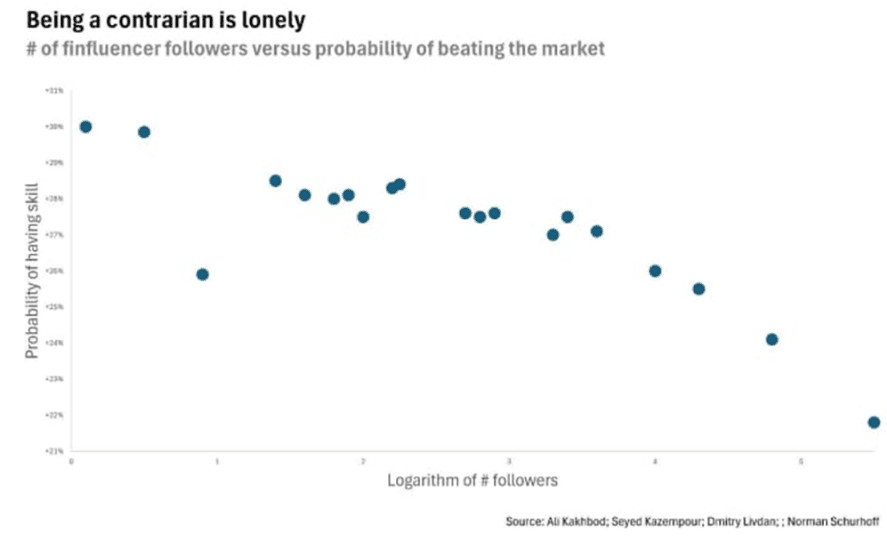
16% of “finfluencers” were judged to have no ability to beat the market, while 56% were shown to have “anti-skill”, significantly lagging the market. It is not enough to invest in a company that will perform well. To find success in contrarian investing, one must invest in companies that perform above investors expectations, which requires unique investment hypothesis that are not baked into the market by broader consensus or popularity.
Warren’s War Chest
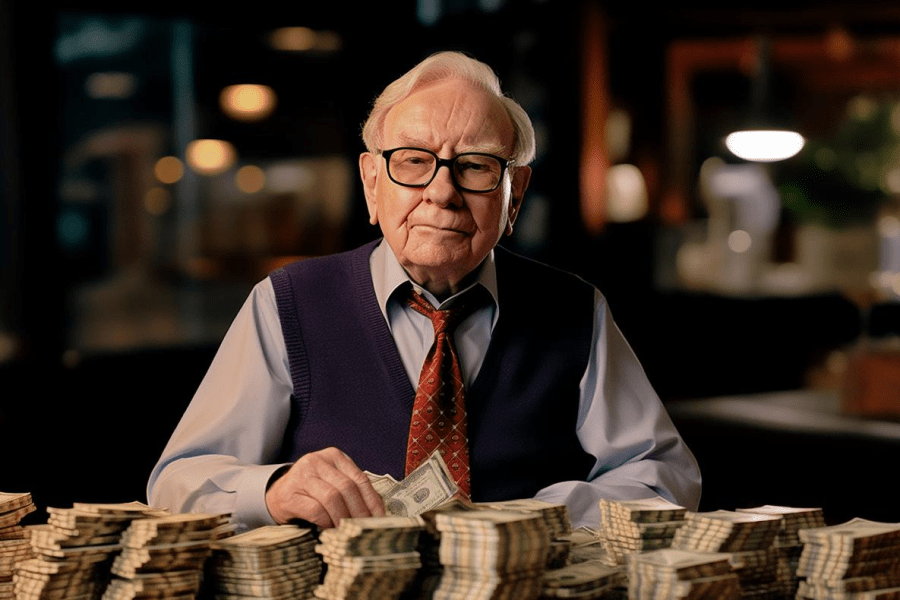
Warren Buffett takes a classical approach to assign values to companies. He takes a long-term, value-based approach and focuses on strong intrinsic business value rather than short term swings in share price.3 He hones in on companies with strong economic moats and waits for the right time to buy. Warren looks for market over reactions that are driven by fear and don’t affect the underlying long-term value of a business, and then he gets greedy. Right now, Warren has some companies he likes but is exercising patience as he finds the market to be pricey. While investor sentiment and valuations near all-time highs, Warren’s current iteration of contrarianism and betting against the market is sitting on the sidelines with record amounts of cash, totaling well over $200 Billion.5 While Warren does not take active bets against the market, his cash position expresses how he feels about current valuations. Other legends are more willing to actively bet against the crowd in their contrarian investing.
Burry’s Big Long
Michael Burry made his fame in contrarian investing by betting against the 2008 housing bubble. During peak euphoria, Burry successfully shorted the housing market betting on mass defaults, inspiring the novel and film, “The Big Short.” While it is easy to see the success of those trades now, at the time the trades went against Burry for a long time before he was proven correct. Burry was pushed to the point of insolvency and had to invoke a gate provision in his fund, restricting redemptions to ensure seeing the trade through. After intense scrutiny and ridicule, Burry was proven correct. Now, Burry is betting heavily on beaten down Chinese equities and a recovery in the country’s economy with Chinese equities representing close to half of his portfolio as of the most recent reporting.6 While Chinese equities have had a nice bounce lately, they are still far off their highs as investor sentiment towards the country has remained fearful due to a geopolitical and economic concerns. Burry is betting against prevailing sentiment and that the bounce will see follow through. Other legendary contrarians are betting against consensus in unique ways of their own.

The Commodity King Returns
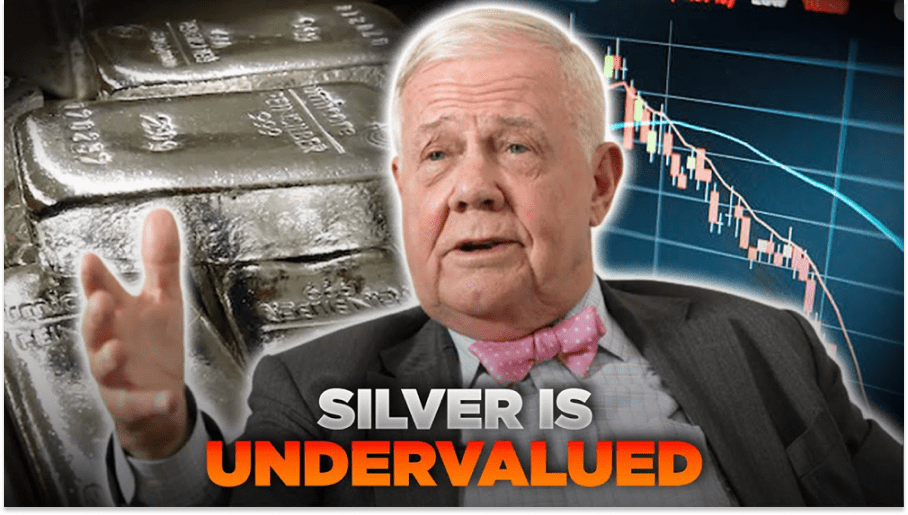
Jim Rogers cemented his status among the contrarian investing elite with the success of the Quantum fund which he launched with George Soros in 1973. Over a decade, the fund returned 4,200% vs 47% for the S&P 500. Rogers also shorted stocks with housing exposure before the 2008 financial crisis, bought commodities after the great depression, and invested early in neglected markets such as China, Russia and Japan.8 Now, Rogers suspects that the U.S. economy is getting closer to an extremely bad recession and is fading the current market euphoria by snapping up long exposure to gold, silver, and commodities in general.9 He does not predict when the recession will come, but is confident that it will come nonetheless and is putting his assets into perceived safe havens ahead of the crowd. Rogers suspects economic issues will lead to money printing and inflation which will lead to more investors putting their assets into commodities that will hold their value. “If we’re going to have serious economic problems and more money-printing and more inflation, then…silver and gold will be a place to hide again,” Rogers said. After many successes over the years, Rogers is once again fading the crowd in a way that is unique to his style by buying commodities.
The Contrarian Conclusion
Contrarian investing is not for the faint of heart. It requires the fortitude to go against the crowd and take ridicule and scrutiny along the way as positions fluctuate. However, betting against the crowd can be incredibly lucrative for those who can do it. Successful contrarian investors develop their own ideas that are true to their style and go against current expectations. Warren Buffet, Michael Burry and Jim Rogers are three of the most legendary contrarian investors. Warren Buffett is betting against current valuations by sitting on cash, Michael Burry is betting on a recovery in China amid extreme uncertainty, and Jim Rogers is betting on a recession by snapping up commodities. They each have a different strategy that is unique and true to their personal style, are willing to go against the crowd, and can maintain convictions as the trend goes against them. To find success in contrarian investing, an investor must take a road less traveled that is true to their own style.
Sources:
- Forbes. April 2014. “5 Rules Of Contrarian Investing”
- MarketWatch. October 2024. “Why investing in the market’s dogs can pay off more than today’s hot stock”
- Investopedia. June 2023. “Warren Buffett's Bear Market Maneuvers”
- Finbold. September 2024. “What Warren Buffett’s $280 billion cash pile means for the stock market, according to analysts”
- New Trader U. “34 Frugal Living Tips That Really Work: Warren Buffett’s Saving Money Habits”
- Michael Burry. October 2024. “Michael Burry's Portfolio”
- Work Theater. April 2023. “How did Michael Burry make his fortune?”
- Analyzing Alpha. October 2023. “Jim Rogers: The Quantum Fund Co-Founder’s Secrets”
- MarketWatch. October 2024. “Investing legend Jim Rogers expects an ‘extremely bad’ recession. Why he’s buying silver instead of gold.”
- YouTube, The Financial Brief. August 2022. “Why Holding Physical Silver & Gold Will Make You Rich!! - Jim Rogers | Silver Prediction”
View the institutional private investments on our platform that take a contrarian approach and build customized portfolios for your clients.
For financial advisors only.