Published on May 2, 2024
The Fed Dilemma: Interest Rate Cuts are Needed on the Road to 2% Inflation
Introduction
Interest rates are at a twenty-three-year high.1 Experts had posited the first interest rate cut for 2024 would be during the Federal Reserve’s March meeting, but Consumer Price Index (CPI) data revealed a tad higher-than-expected inflation.2
While taming inflation is a Fed objective, interest rates this high may impact the economy. It remains to be seen whether the Fed will remain undeterred along the path to 2% inflation or moderate its policy with interest rate cuts. The path forward is nuanced, however, as there is a clear and present danger associated with continued high borrowing costs - a hard-landing recession.
Household Debt
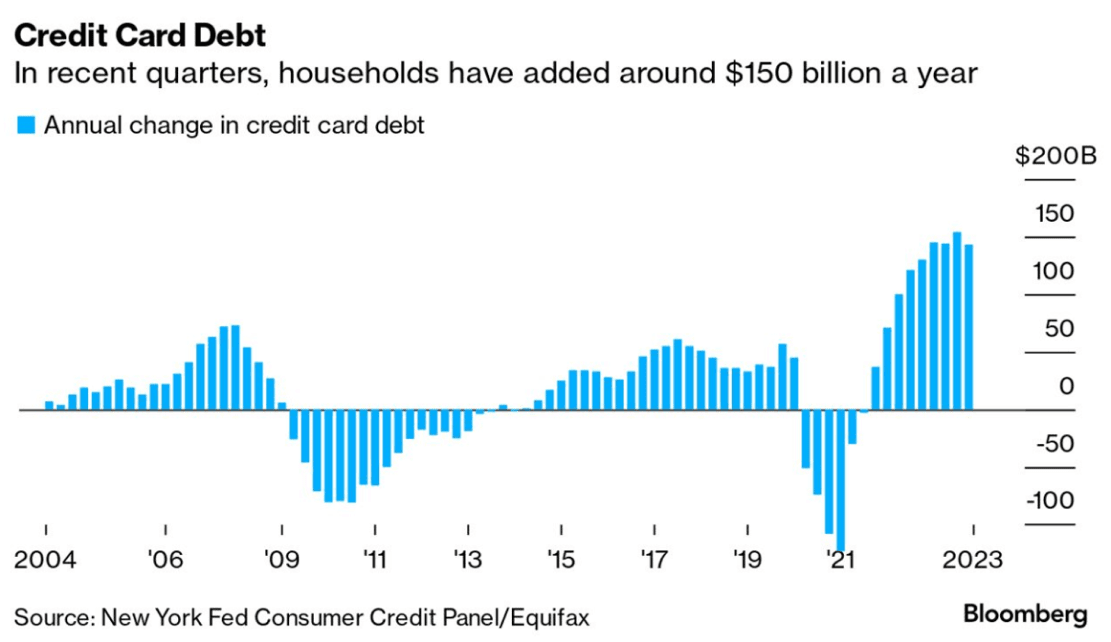
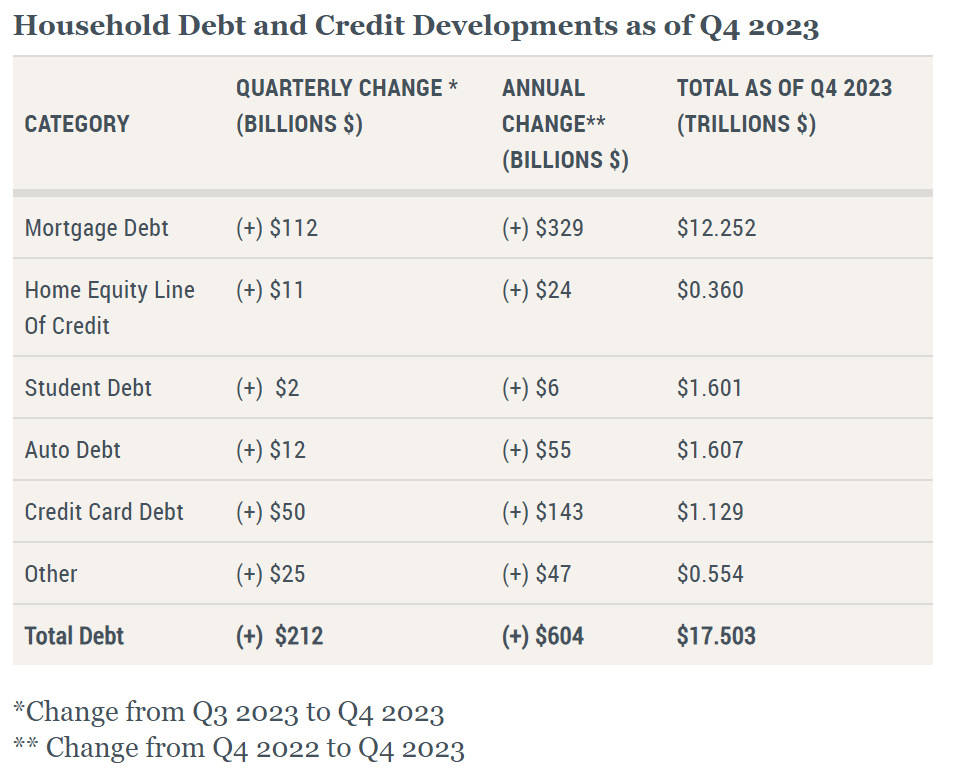
Multiple sectors and demographics are hurting in the current environment, and households with debt could benefit from interest rate cuts. Credit card debt is through the roof, and while higher interest rates should slow consumer spending, higher interest rates still render outstanding debt even more expensive to pay off. To no surprise, delinquency at 30, 60, and 90 days rose during the fourth quarter of 2023.3
According to Lending Tree, someone with excellent credit in 2024 can expect an annual percentage rate (APR) offer of 21.16%. Moving down the scale, consumers with poor credit would have to accept 28.15%.4
To put these figures in perspective, in September 2019, only 2% of the 200 most popular cards Lending Tree reviews had APRs in the neighborhood of 29.99% or higher. Contrast that with April 2024; 39% of cards are at 29.99% APR, while 13% of cards surpassed 30.00%.5
Nearly every socio-economic demographic struggles with debt repayments, but low-income consumers have been hit the hardest. Toward the end of 2020, low-income borrower delinquency rates were decreasing, but delinquencies began to pop again in mid-2022 and are now approaching the troubling delinquency trends of four years ago.6
Small Business Woes
Last year, small US businesses accounted for 44% of all economic activity.7 This is a key cog in the GDP machine, and according to a Goldman Sachs survey of roughly 1,500 small business borrowers, 77% were worried about their ability to obtain capital, while 28% felt the line of credit they had received was predatory.8
Compared to the historical average since 1990, the share of banks offering more rigid loan terms was more than twice that for small businesses.9 Banks are tightening lending standards, according to the Fed’s quarterly Senior Loan Office Opinion Survey, and slowing sales and labor costs are hitting overall small business sentiment hard.10
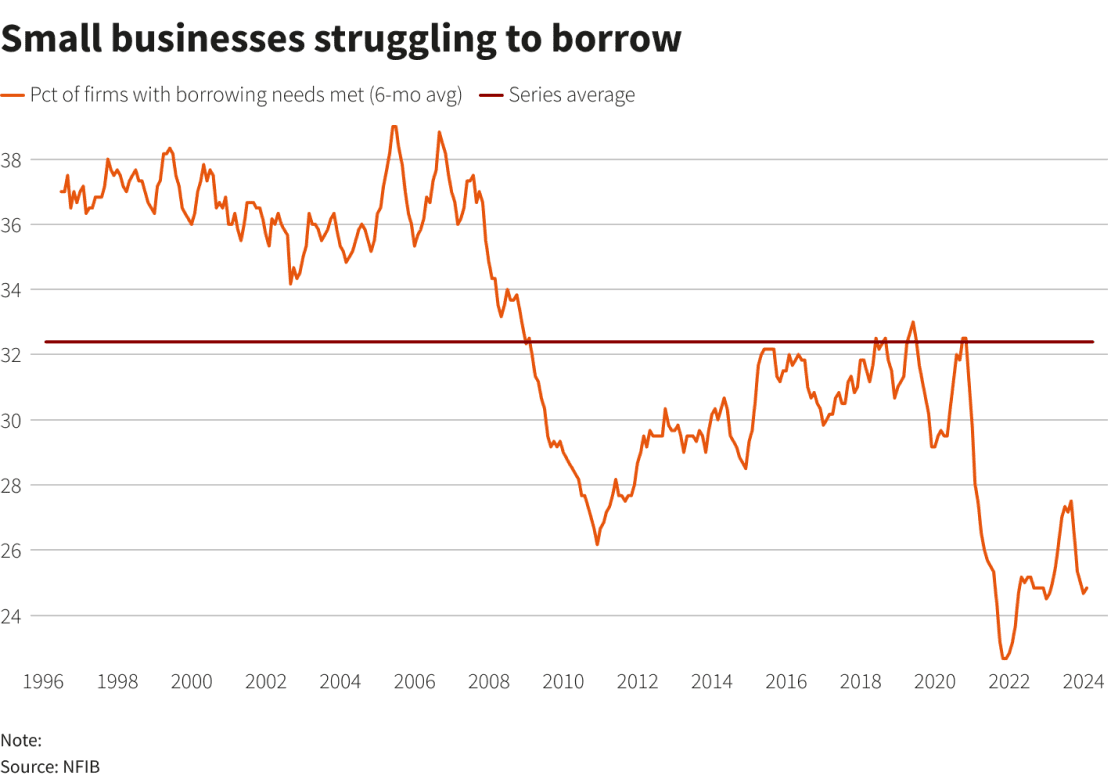
While Fortune 500 companies can issue debt, small businesses depend on local bank loans, personal loans, or credit cards to finance operations. In 2021, small businesses spent approximately 6% of revenue on interest payments, compared to 2% for larger companies.11 Business investment is stalling as higher interest rates are attempting to cool inflation.
Real Estate Could Use Interest Rate Cuts
In the Fed's March meeting, the real estate sector had its fingers crossed for interest rate cuts. Commercial real estate foreclosure activity lept by 177% year-over-year in March, with rising rates hampering the sector’s ability to service debts.12 High borrowing costs and a sizeable contingent of remote workers are crippling commercial property demand and asset values.
In late March, Fitch Ratings wrote that the tumble in US office values could even exceed the 2008 real estate crash.13 In response, many property owners are negotiating loan extensions, but with $2.2 trillion in commercial debt maturing in 2027, the extension trend may not continue much longer.14
“Lock-in” Effect
Average residential mortgage rates are hovering in the 7% range. Yet, the rate is closer to 4% for many Americans with existing fixed mortgages.15 This phenomenon “locks in” homeowners who wish to sell, and according to the Federal Housing Finance Agency, the effect is responsible for nearly 1.3 million fewer home sales as rates increased in the spring of 2022.16
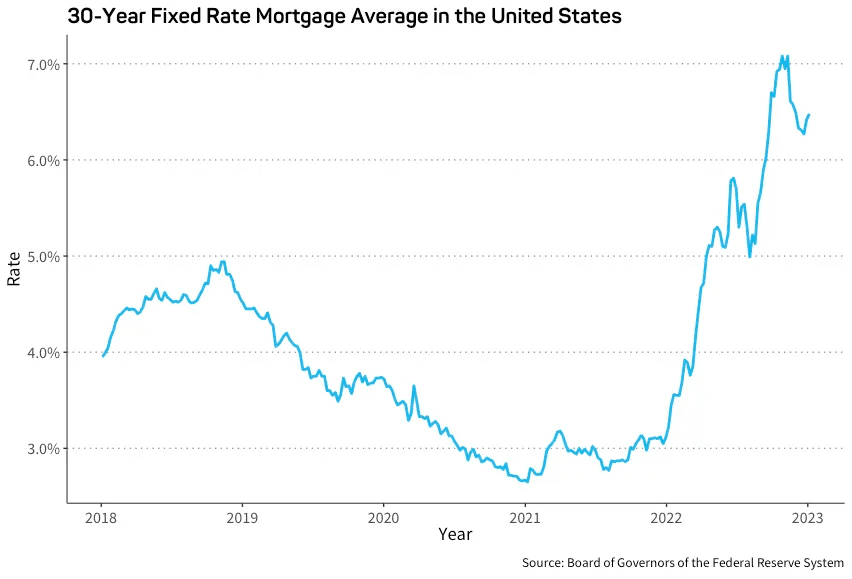
There was never a time between 1998 and 2020 when over 40% of mortgage holders had rates locked in of over one percentage point less than market rates. At the end of last year, approximately 70% of mortgage holders held rates over three percentage points below market rates.17
Concluding Thoughts
Borrowing costs are at levels not seen since the former Fed Chairman Paul Volcker era. Since the inflation peak of 9.1% in 2022, the CPI has declined steadily until late 2023 and early 2024. March 2024 CPI numbers revealed month-by-month increases, but not by overly significant margins: food was up by 0.1%, energy up 1.1%, and shelter up 0.4%.18 While unemployment is low, US consumer sentiment, as some economists believe, strongly correlates with borrowing costs and consumer credit supply, explaining much of the economic unease the country is experiencing.19
Investors are increasingly unsure about where the economy is headed,20 and an increasing number are predicting a hard landing.
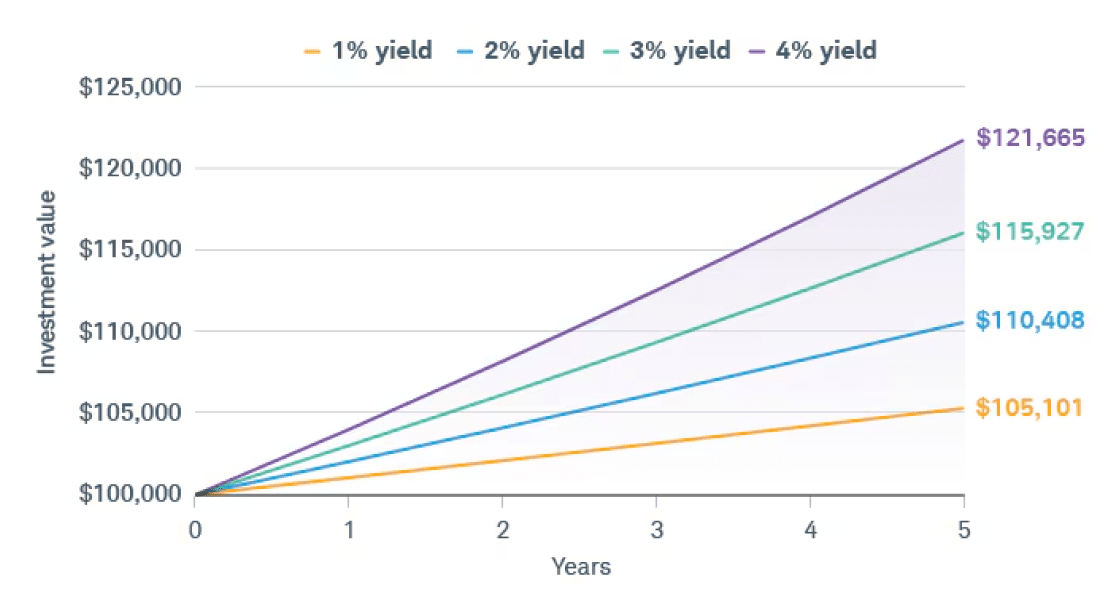
Lastly, while interest rate cuts would benefit vast swaths of the economy, one group is doing great in the current climate: savers. Some money market accounts, CDs, or savings accounts pay 5% or more. Interest increases and compounding interest equates to an attractive return for savers.
Sources:
- Trading Economics. March 2024. “United States Fed Funds Interest Rate.”
- Smialek, Jeanna. April 10, 2024. “Inflation Was Hotter Than Expected in March, Unwelcome News for the Fed.” The New York Times.
- Goldstein, Brandon, and Hoover, Caleb. April 10, 2024. “Large Bank Credit Card and Mortgage Data 2023 Q4 Narrative.” Federal Reserve Bank Philadelphia.
- Schulz, Matt, and Shepard, Dan. April 17, 2024. “Avergae Credit Card Interest Rate in America Today.” Lending Tree.
- Ibid.
- Anand, Nupur. April 22, 2024. “US consumers on lower incomes face loan stress while banks pull back.” Reuters.
- U.S. Small Business Administration Office of Advocacy. March 2023. “Frequently Asked Questions.”
- Anand, Nupur. March 8, 2024. “US small businesses struggle for credit, one year after regional turmoil.” Reuters.
- Board of Governors of the Federal Reserve System. February 5, 2024. “Senior Loan Officer Opinion Survey on Bank Lending.”
- Ibid.
- Simon, Ruth. November 14, 2023. “With Interest Rates Above 9%, Small Businesses Slam the Brakes.” The Wall Street Journal.
- ATTOM Team. April 17, 2024. “U.S. Commercial Foreclosures Increase in March 2024.” ATTOM.
- Fitch Wire. April 2, 2024. “Global Contagion Risk Growing from Rising CRE Losses, Led by Office.” FitchRatings.
- De Mott, Filip. March 21, 2024. “The looming office-real-estate crash will be worse than the Global Financial Crisis decline, Fitch says.” Business Insider.
- Badger, Emily, and Paris, Francesca. April 21, 2024. “U.S. housing market paralyzed by lock-in effect.” The Seattle Times.
- Ibid.
- Ibid.
- Duggan, Wayne. April 10, 2024. “Disappointing March Inflation Numbers Cause Stock Market To Dip.” Forbes Advisor.
- Bolhuis, Marijn A., Cramer, Judd N.L., Schulz, Karl Oskar, and Summers, Lawrence H. February 2024. “The Cost of Money is Part of the Cost of Living: New Evidence on the Consumer Sentiment Anomaly.” National Bureau of Economic Research.
- Daniel, Will. March 25, 2024. “Nearly half of all investors expect a ‘no landing’ scenario for the economy where inflation remains but there’s no recession, Deutsche Bank survey shows.” Fortune.
Learn how alternative investments can play a diversifying role in clients’ traditional portfolios.
For financial advisors only.