
Published on January 15, 2025
Markets and Climate Risk Management
Broader Market Implications and Climate Risk Management
As climate change accelerates, its impact on the financial world is becoming impossible to ignore. From extreme weather events to shifts in regulatory policies, these risks are now present across the capital markets—and evaluating climate risk management is essential.
The impact of climate change on the environment is obvious, with increased occurrences of extreme weather events. However, it has also affected the financial markets, affecting regional economies and industries.
According to the National Bureau of Economic Research1, the macroeconomic damages from climate change are six times larger than previously thought, with a 1°C warming reducing world GDP by 12%. Other research indicates that this underestimates the true cost and puts it closer to 33%.2
20243 witnessed several extreme weather events and twenty-four confirmed weather/climate disaster events, including severe storms, tropical cyclones, wildfires, and winter storms, with losses exceeding $1 billion each in the United States alone.
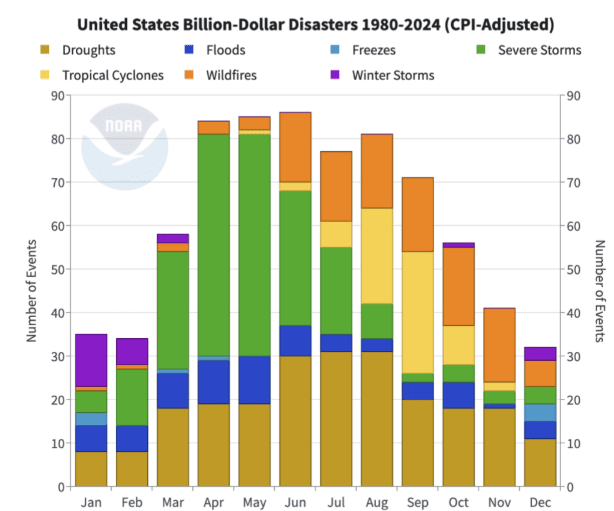
Source: as of 10/31/2024, Billion-Dollar Weather and Climate Disasters | United States Summary | National Centers for Environmental Information (NCEI)3
Climate Risk Management and Sectors Most Impacted by Climate Change
Insurance: The insurance industry faces rising costs, the potential for reduced profitability, and increased demand for specialized products. Historic climate risk management models are unable to predict events such as natural disasters that may be exacerbated by climate change, leaving insurers overexposed to climate risk.
Energy: The transition from fossil fuels to renewable energy sources due to the impacts of climate change affecting traditional oil, gas, and coal companies. However, this also presents growth opportunities for renewables, including solar, wind, and battery storage companies.
Real Estate: The physical risks to coastal and flood-prone properties driving up insurance premiums and reducing property values.
Banking and Finance: Increased regulatory scrutiny regarding climate disclosures and stress testing for climate risk exposure are pressuring the financial sector. The sector is seeing rising demand for climate-conscious investment products and impact investing.
Utilities: The sector is witnessing increased costs from infrastructure improvements to protect against climate-related disruptions.
Climate Risk Management Key Areas of Growth
With a push toward sustainability, green bonds, renewable energy companies, and climate-focused funds are increasingly attractive for investors seeking climate risk management for their portfolios.
Renewable Energy: Solar, wind, and hydroelectric energy continue to draw substantial investment due to falling costs and rising demand for clean energy. Renewable energy assets, such as green bonds and infrastructure projects, are providing robust returns while promoting environmental goals.
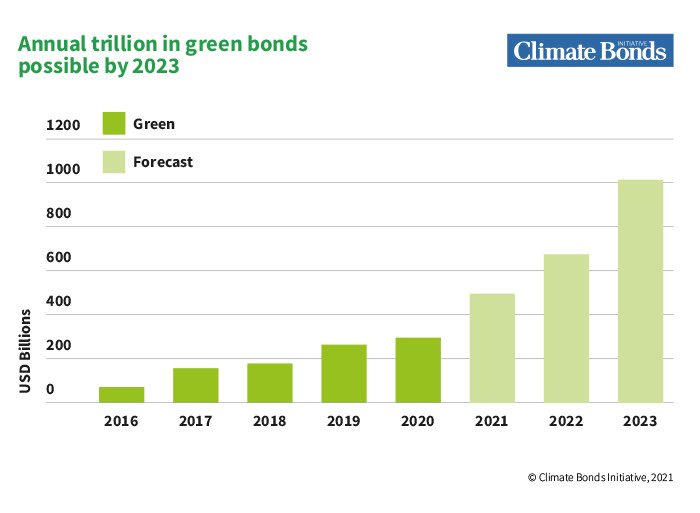
Green Bonds: Green bonds, issued to fund climate and environmentally focused projects, have seen exponential growth in recent years, providing a lower-risk entry point for investors looking to support green projects while generating stable returns. In fact, annual issuance could hit $1 trillion in 2023, according to S&P Global.4
Energy Efficiency and Green Buildings: With more governments mandating energy-efficient buildings and stricter building codes, investments in green construction and retrofitting have surged. From smart home technology to sustainable building materials, this market segment offers a range of investment options that align with the trend of urban sustainability.
Sustainable Agriculture and Food Systems: As climate impacts on agriculture grow, sustainable farming practices and alternative proteins are drawing investor interest. With innovations like vertical farming, regenerative agriculture, and plant-based foods, this sector addresses food security while mitigating environmental impacts.
Trump’s Impact on Climate Risk Management
A second Trump presidency is anticipated to have many dramatic changes on existing policies and procedures, and none more so than the movement to reduce the impacts of climate change. The U.S. is expected to withdraw from the Paris climate agreement, rescind clean energy subsidies, roll back power plant emission rules, and increase fossil fuel extraction.5
Given Trump’s stance on regulations, there may be potential benefits as private sector investment in renewable energy technologies becomes more cost-competitive, given potential deregulations. Additionally, there could be an increased focus on technological innovation in carbon capture and nuclear energy as alternatives to direct emissions regulation. Finally, a potential push for American energy independence might indirectly support domestic clean energy manufacturing.6
Conclusion
Climate change is no longer just an environmental challenge—it’s a critical financial consideration that demands the attention of financial advisors. From the increased risks in traditional sectors like insurance and real estate to the unparalleled opportunities in renewable energy, green bonds, and sustainable agriculture, climate risk management presents both challenges and rewards for those navigating its complexity.
The impact of Donald Trump’s second term as president further complicates this landscape. While anticipated policy shifts may loosen regulations and incentivize fossil fuel production, they also open the door for private investment to play a critical role in driving innovation in renewable energy, carbon capture technology, and sustainable domestic industries. These countervailing forces emphasize the importance of nuanced investment strategies that capitalize on market opportunities and emerging policy-driven risks.
Sources:
- National Bureau of Economic Research
- Climate breakdown will hit global growth by a third, say central banks
- Billion-Dollar Weather and Climate Disasters | National Centers for Environmental Information (NCEI)
- Global Sustainable Bonds 2023 Issuance To Exceed $900 Billion
- Why Trump's 2nd Withdrawal from the Paris Agreement will be different.
- How Trump's Trump’s AI, Crypto Push Would Spur Clean Energy
View the institutional private market investments investing in climate solutions, planning, and policy changes.
For financial advisors only.